


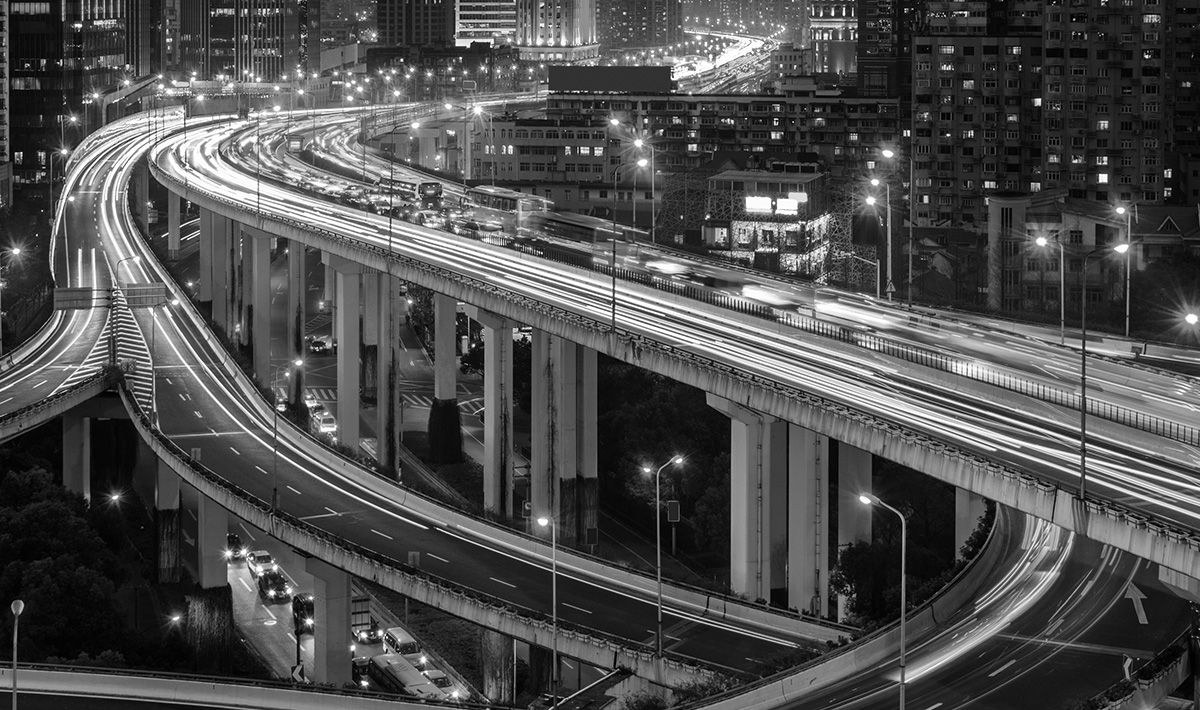
India’s investment case is increasingly measurable in kilometres and cash flows. The government’s plan to construct 25 greenfield expressways spanning 10,000 km—at a total outlay of Rs. 6,00,000 crore (about US$ 67.57 billion)—signals a resolute pivot from episodic capex to networked infrastructure that cuts time and distance for firms and households alike. Announced at the PHD Chamber of Commerce and Industry on October 9, the programme’s intent is unambiguous: compress logistics frictions, derisk supply chains, and widen market access across the map. Early results point the same way. The ministry notes logistics costs have already eased from 16% to 10%, with a further decline to 9% targeted by December 2025—bringing India closer to developed-market benchmarks and tightening the competitiveness spread that matters for margins. For manufacturers, a percentage point in logistics isn’t a rounding error; it’s market share gained.
The same logic of connectivity scales from factory gates to frontier terrain. The Zojila Tunnel—now 75–80% complete—will secure all-weather access between Ladakh and the rest of India, turning a winter choke point into a year-round artery. This is resilience by design: engineering that creates redundancy against weather and terrain, and a tangible demonstration of execution capacity. The policy message is practical rather than rhetorical—build the corridor, bank the certainty.
Financing, the soft underbelly of megaprojects, is being matched with a recycling flywheel. Monetisation of road assets could raise up to Rs. 15,00,000 crore (about US$ 168.92 billion), aligning private risk capital with public ambition and channelling proceeds back into the pipeline. If concession structures stay transparent and cash flows predictable, the model becomes repeatable: build, operate, monetise, reinvest. Investors don’t need perfection; they need policy that turns capex into throughput and throughput into cash.Spillovers are intended, not incidental. The minister’s ambition to make India the world’s largest automobile market within five years—lifting industry value from Rs. 14,00,000 crore to Rs. 22,00,000 crore, adding 4,00,000 jobs, and remaining a top GST contributor—rests on corridor density and last-mile reliability. Competitiveness is forged on highways and in warehouses: smoother logistics shorten working-capital cycles, deepen supplier networks, and make export timetables realistic. Infrastructure, in effect, doubles as industrial policy.Energy arithmetic anchors the macro. Fossil-fuel dependence imposes an annual burden of Rs. 22,00,000 crore; alleviating that outflow is as fiscal as it is environmental. The programme’s coherence shows up in agriculture, too: ethanol production from corn has already delivered Rs. 45,000 crore to farmers—an income hedge woven into the transition. Roads, autos, energy, and rural earnings form a connected balance-sheet story: lower import dependence, higher domestic value-add, and wider, stabler demand. For boardrooms testing promise against delivery, this is the signal: time-bound logistics targets, quantified progress on a strategic tunnel, and a marked-to-market monetisation pipeline. Execution risk can be priced; policy inertia cannot.
- 25 greenfield expressways; 10,000 km; Rs. 6,00,000 crore (US$ 67.57 billion) planned investment.
- Logistics costs: 16% → 10%, target 9% by December 2025.
- Zojila Tunnel: 75–80% complete; all-weather Ladakh connectivity.
- Road asset monetisation: up to Rs. 15,00,000 crore (US$ 168.92 billion).
- Auto sector ambition: Rs. 14,00,000 crore → Rs. 22,00,000 crore, 4,00,000 jobs, top GST contributor.
- Energy & agriculture link: fossil-fuel burden Rs. 22,00,000 crore annually; Rs. 45,000 crore added to farmer incomes via corn-based ethanol.